Fins, Collars, and Bones: The Japanese Art of Honoring the Whole Fish
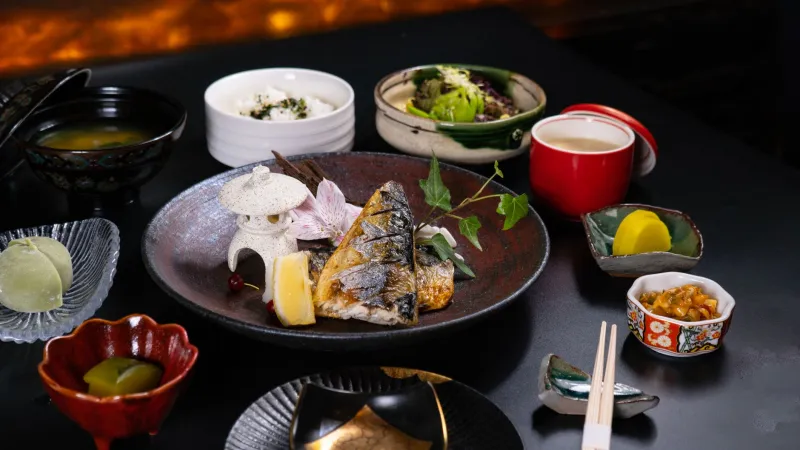
Walk into most American supermarkets and the fish counter tells a familiar story: neat fillets wrapped in plastic, trimmed of anything that might remind the shopper that the product was once a living creature. Collars, heads, frames, and skin are either ground into pet food or simply discarded. Meanwhile, in Japan, those very parts are treated as prized ingredients — ones that command respect at the table and, increasingly, premium prices at specialty markets.
The philosophy behind this practice is not merely economical, though it is certainly that. It is rooted in a deeply held Japanese cultural value: mottainai, the profound sense of regret over waste. To discard something of worth — whether it is time, material, or flavor — is to show a kind of disrespect. Applied to seafood, mottainai transforms what Americans might call scraps into the foundation of some of the most umami-rich, satisfying dishes in the Japanese culinary canon.
What Americans Leave Behind
Consider the yellowtail collar, known in Japanese as hamachi kama. Cut from just behind the gills, this triangular section of fish is dense with connective tissue, rich with fat, and threaded with small muscles that work hard during the fish's lifetime. When grilled over high heat with nothing more than salt and a squeeze of yuzu, it yields flesh that pulls apart in silky, layered sheets — far more complex in flavor than any fillet cut from the same animal.
Or consider the fish head. In Japanese home cooking and restaurant kitchens alike, heads are simmered in a broth of soy sauce, sake, mirin, and sugar to produce kabuto-ni, a dish whose name references a samurai helmet. The braised flesh clinging to the cheeks, jaw, and eye socket is gelatinous, deeply savory, and considered a delicacy. Guests at traditional Japanese establishments are often quietly honored when the head appears on their plate — it signals that the chef trusts them to know how to eat it.
Bones and frames, meanwhile, become the base for dashi-adjacent broths, roasted until golden and then simmered low and slow to extract every molecule of collagen and flavor. Fish skin, when scored and pan-crisped, achieves a crackling texture that rivals any pork rind. Even the liver and roe of certain species appear on izakaya menus as celebrated small plates.
A Conversation with Japanese Chefs in America
Chefs who trained in Japan and now operate restaurants across the United States speak about this approach with a consistency that suggests it is less a technique than a worldview.
"When I break down a whole fish, I see six or seven different preparations, not one," explains one Japanese-trained chef currently working in New York. "The fillet is just the beginning. The collar goes to the grill. The head goes to the braise. The bones go into the stock. The skin gets crisped. Nothing leaves the kitchen without purpose."
Another chef, based in Los Angeles, notes that American diners who try hamachi kama or tai kama — sea bream collar — for the first time are often visibly surprised. "They expect it to taste like fish. What they get is something richer, more mineral, almost nutty. It changes the way they think about the whole animal."
Both chefs point to the economic logic as well. Whole fish purchased from reputable fishmongers costs significantly less per pound than pre-cut fillets. Embracing the entire fish means stretching a single purchase across multiple meals without sacrificing quality — arguably improving it.
Practical Guidance for the American Home Cook
For those interested in adopting this practice at home, the entry point is more accessible than it might appear. Many Asian grocery stores in major American cities sell whole fish, including species like yellowtail, sea bream, black cod, and mackerel, at prices that reflect their undervalued status. Specialty Japanese markets and some farmers' market fishmongers will often cut collars and frames to order if asked.
Starting with the collar: Request the collar section when purchasing a whole yellowtail or salmon. Pat it dry, season generously with sea salt, and allow it to rest uncovered in the refrigerator for thirty minutes. Grill or broil at high heat until the skin chars and the flesh near the bone turns opaque. Serve with grated daikon radish and soy sauce. This single preparation requires almost no technique and delivers results that rival any restaurant dish.
Building a fish frame broth: After removing the fillets from a whole fish, rinse the remaining frame under cold water and roast it at 400 degrees Fahrenheit until lightly golden. Transfer to a pot, cover with cold water, and bring to a gentle simmer. Add a strip of kombu, a handful of dried mushrooms, and a splash of sake. Simmer for thirty to forty-five minutes, strain, and use as the base for miso soup, ramen broth, or a simple noodle dish. The depth of flavor far exceeds anything achievable from a store-bought stock.
Crisping the skin: When filleting fish at home, or when asking a fishmonger to fillet a whole fish, request that the skin remain intact. Score it lightly, press it flat against a dry, very hot skillet, and cook until it blisters and crisps. Season with flaky salt. Eaten immediately, it is addictive on its own — or use it as a garnish over rice or soup.
A Richer Understanding of the Table
The Japanese whole-fish philosophy offers American diners and home cooks something beyond flavor and economy. It invites a more conscious relationship with food — one that acknowledges the full value of what the ocean provides and honors the effort required to bring a fish from water to table.
At Tamaniwa Ebisu, this philosophy shapes how we think about every dish we serve and every ingredient we source. A fish is not merely a fillet waiting to be plated. It is a complete offering, and the measure of a skilled kitchen is its willingness to receive that offering fully.
The next time you stand at a fish counter, consider asking for the whole fish. Ask for the collar. Ask for the bones. What you carry home may be the beginning of a different way of eating — one that is, in the deepest sense, more complete.