When the Dish Makes You Laugh: Japan's Quiet Tradition of Joy at the Table
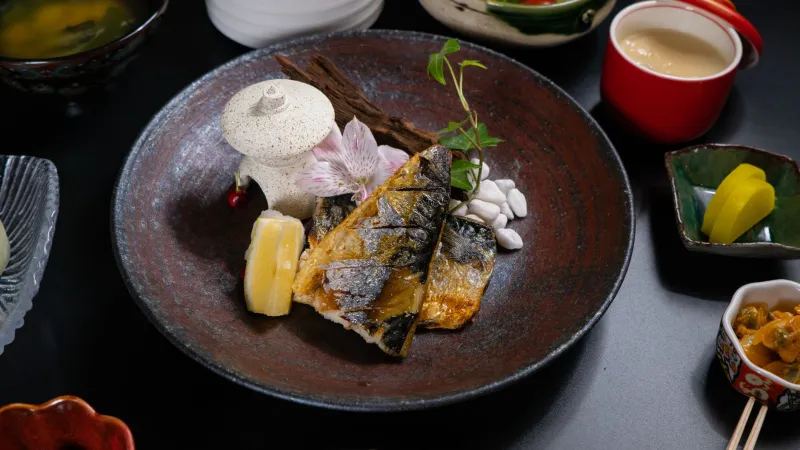
There is a moment that experienced diners at traditional Japanese restaurants describe with remarkable consistency. A dish arrives. The eyes register something unexpected—a tiny sculpted garnish that resembles a woodland creature, a broth so clear it appears to float, a single blossom placed with such precision it seems to have landed there by accident. And before the first bite is taken, before any flavor reaches the palate, something else happens entirely: the diner smiles.
This is not incidental. In Japanese culinary culture, that smile is the point.
Feeding the Spirit Before the Stomach
Japanese cooking has long operated on the understanding that a meal engages far more than taste. The concept of ma—the meaningful use of negative space and pause—appears not only in architecture and music but also on the plate. A chef who leaves deliberate emptiness around a single piece of sashimi is not being economical. They are creating a moment of visual stillness that invites the diner to slow down and truly look before they eat.
But where stillness governs one tradition within Japanese cuisine, playfulness governs another. Across the country's long culinary history, chefs have found ways to embed wit, warmth, and even gentle humor into their presentations. A chilled summer dish might arrive shaped to evoke the memory of a riverbed stone. A winter confection might be dusted to resemble fresh snow on a pine bough. The message, in both cases, is the same: we thought about your experience as a whole person, not merely as a set of taste receptors.
This philosophy has a name in broader Japanese aesthetics: mono no aware, often translated as a bittersweet sensitivity to the transience of things. Applied to food, it means that a dish can carry emotional weight—it can reference a season, a memory, a cultural story—and that this emotional dimension is considered part of its nourishment.
The Names That Tell a Story
One of the most overlooked expressions of joy in Japanese dining is the naming of dishes. Traditional Japanese menus, particularly within kaiseki cuisine, frequently assign poetic names to courses that do not describe the ingredients at all. A dish might be called "First Light on Still Water" or "The Mountain Sleeps." These names are not marketing language. They are invitations.
When a server at a traditional establishment explains the name of a course, they are offering the diner a frame through which to experience what is about to arrive. The anticipation shifts. The diner is no longer simply waiting to eat—they are waiting to see how the chef has interpreted an image, a feeling, or a moment in the natural world. By the time the dish appears, the guest is already engaged emotionally, already curious, already leaning slightly forward.
That engagement is what separates a meal from a dining experience.
Surprise as a Form of Respect
In many American dining contexts, surprise is viewed with some caution. Diners want to know what they are getting, and restaurants respond accordingly with detailed menu descriptions and extensive allergen notes. This transparency is valuable, and it reflects genuine care for the guest. But Japanese culinary tradition offers an additional layer: the idea that a well-placed surprise is itself a form of hospitality.
Consider the kappo style of dining, where a chef prepares dishes in full view of the guests and occasionally introduces something unannounced—a small extra course, a seasonal ingredient that arrived that morning, a preparation technique performed tableside. These moments of spontaneity are not disruptions to the dining experience. They are its highlights. They communicate that the chef is present, that the kitchen is alive, and that the guest is being treated not as a transaction but as a guest in the truest sense.
The surprise is a gift. And like any thoughtfully given gift, it produces joy.
What American Restaurants Can Learn
The American dining landscape has evolved considerably in recent decades. Chefs across the country have embraced tasting menus, theatrical presentations, and farm-to-table storytelling with genuine enthusiasm. Yet the deliberate engineering of emotional delight—the specific intention to make a diner smile before the first bite—remains underutilized as a design principle.
This is worth examining. Research in hospitality and consumer behavior consistently finds that emotional memory outpaces sensory memory. A diner is more likely to return to a restaurant because of how it made them feel than because of any specific flavor combination, however technically accomplished. Joy is sticky. Delight is memorable. A meal that produced a genuine laugh, a moment of wonder, or a quiet sense of being cared for will be recounted at tables and in conversations long after the specific dishes have faded from memory.
Japanese culinary culture has understood this intuitively for centuries. The question for American restaurants—and for American diners—is how to begin incorporating it intentionally.
Small Gestures, Lasting Impressions
The good news is that the philosophy does not require elaborate theatrical production. Some of the most effective expressions of joy in Japanese dining are extraordinarily simple. A single edible flower placed at an angle that suggests it just fell there. A small handwritten note accompanying a dessert course. A broth served in a vessel whose color shifts subtly with the temperature of the liquid inside.
These details cost relatively little in material terms. What they require is attention—attention to the diner as a whole person, to the arc of the meal as an emotional experience, and to the quiet power of the unexpected moment.
At Tamaniwa Ebisu, this philosophy shapes how we think about every plate that leaves the kitchen. We are not merely arranging food. We are composing an encounter. We are asking, each time, whether the dish will make the guest feel something before they taste anything. And we are trying, in our own way, to answer yes.
An Invitation to Dine Differently
The next time you sit down to a meal—whether in a Japanese restaurant or anywhere else—consider paying attention to what happens before you eat. Notice the moment the dish arrives. Notice whether something in the presentation makes you pause, tilt your head, or find the corners of your mouth lifting before you have lifted your fork.
If that moment exists, someone in the kitchen was thinking about you. Not just your hunger, but your spirit. That is the tradition Japan has quietly preserved for generations, and it is one of the most generous things a restaurant can offer.