The Unnamed Source: How Japanese Chefs Guard Their Most Valuable Ingredient Relationships
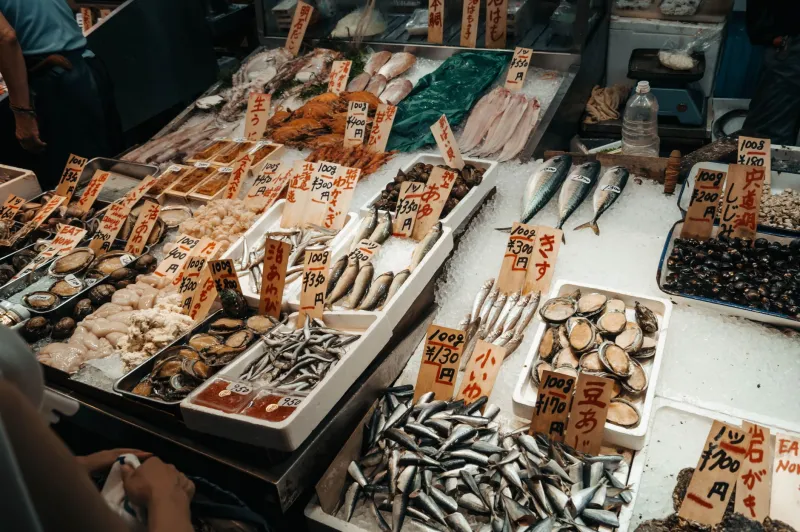
When a guest at a fine Japanese restaurant asks the server where the bluefin tuna originated, the answer is almost never a specific name. You might hear a region — perhaps the cold waters off Aomori, or the straits near Tsushima Island. You will rarely, if ever, hear the name of the fisherman. This is not an oversight. It is a deliberate, deeply considered practice, and it speaks volumes about how Japanese culinary culture understands the relationship between chef, supplier, and the food that arrives at your table.
At Tamaniwa Ebisu, the philosophy of authentic Japanese dining is inseparable from this tradition. To understand why your meal tastes the way it does, it helps to understand the invisible architecture of trust that made it possible.
A Relationship Built Over Decades, Not Directories
In Japan, the bond between a chef and a trusted supplier is not transactional. It is generational. A master chef may have spent years — sometimes the better part of a career — cultivating a relationship with a particular fishmonger at Toyosu Market in Tokyo, or with a small-scale farmer growing heritage rice in Niigata Prefecture. These relationships are forged through consistency, mutual respect, and an unspoken agreement: the supplier offers the chef first access to the finest product, and the chef, in return, never reveals who that supplier is.
This secrecy is not born of arrogance. It is protective. A small-scale producer who supplies only a handful of elite restaurants operates in a delicate ecosystem. If their name were publicly disclosed, demand would overwhelm their capacity within weeks. The quality that made them exceptional would erode under the pressure of volume. By keeping the relationship private, the chef safeguards the very source of their excellence.
The Currency of Access
In Japanese culinary circles, access is everything. A chef who has earned the trust of an exceptional supplier receives what might be called the first call — the early morning message that says the kinmedai is extraordinary today, or that the mountain vegetables arrived from an unexpected early harvest. This access cannot be purchased outright. It is earned through years of demonstrated respect: paying promptly, honoring the product through skillful preparation, and never diminishing the supplier's reputation through careless handling.
This stands in stark contrast to much of American restaurant culture, where sourcing is increasingly used as a marketing tool. Menus in the United States have spent the last two decades listing farm names, ranch coordinates, and fishing vessel identifiers as signals of authenticity. The impulse is understandable — American diners have rightly become more curious about provenance. But the Japanese approach suggests a different model of authenticity, one rooted in the depth of the relationship rather than its public legibility.
What the Silence Protects
There is something else the silence protects: the chef's own competitive edge. In a culinary tradition where ingredient quality is the foundation of everything — where a piece of fish is evaluated not by how it is dressed but by the quality of the life it lived and the care taken in its handling — access to superior product is a genuine form of intellectual property. Two chefs with identical technique will produce radically different results if one has access to a superior supplier. Naming that supplier publicly would be, in a sense, giving away the recipe.
This is why veteran Japanese chefs speak about their supplier relationships with a particular kind of reverence that borders on the private. The relationship is treated the way a craftsman treats a tool that has served them for thirty years — it is not displayed, it is used, honored, and protected.
What American Diners Can Learn From This
For Americans who cook at home or simply want to eat more thoughtfully, the Japanese model of supplier relationships offers a genuinely practical lesson — one that doesn't require a trip to Japan or a Michelin-starred budget.
Farmers markets across the United States present exactly the kind of opportunity that Japanese chefs cultivate at the professional level. The difference is that most American shoppers treat these markets as superior grocery stores rather than relationship-building opportunities. Consider instead arriving consistently, purchasing regularly, and asking the vendor what they are most proud of that week. Over time, a farmer who recognizes you as someone who values their product will begin to offer you things that don't make it to the general display — the first tomatoes of the season, the unusual variety they grew experimentally, the eggs from the flock they're most proud of.
This is, in miniature, the same dynamic that governs how a Tokyo chef receives a predawn call about exceptional tuna. The mechanism is trust, built through demonstrated appreciation.
The Meaning Behind the Menu
At a restaurant that takes Japanese culinary philosophy seriously, the absence of supplier names on the menu is not a gap in information. It is a form of information in itself. It signals that the chef operates within a network of relationships mature enough that their discretion is expected. It suggests that what arrives on your plate has passed through hands that knew each other before the reservation was made.
This understanding can shift the way an American diner approaches a Japanese meal. Rather than asking where a particular ingredient came from, consider asking the server what the chef is most excited about serving this evening. The answer to that question is almost always more revealing — and more connected to the living web of relationships that made the dish possible.
The Trust That Travels to Your Table
Japanese cuisine, at its most considered, is a form of inherited trust made edible. The chef trusts the supplier. The supplier trusts that their product will be honored. The diner, in turn, extends trust to the chef by accepting a plate whose full provenance will never be disclosed. This chain of quiet confidence is not a limitation of the dining experience. It is, in many ways, its most essential ingredient.
The next time a dish arrives and you find yourself wondering about its origins, sit for a moment with the not-knowing. The flavor you are tasting is the product of a relationship that predates your reservation by years, perhaps decades. That unnamed source — the fisherman, the farmer, the forager — is present in every bite, even if they will never be introduced.
That, perhaps, is the deepest form of hospitality: to have been cared for by people you will never meet, through the hands of a chef who considers their anonymity a sacred obligation.